If you've started planning a photo shoot for one of your projects, you've probably wondered when to schedule it. Morning, when the light is soft? Late afternoon, for that warm editorial glow? Should you avoid the middle of the day?
Here's the honest answer most photographers won't lead with: the best time of day for interior photography is the time the home is actually available.
That's not a cop-out. It's how the work really happens. A professional photographer's job isn't to chase ideal light — it's to make the light look beautiful and natural no matter when we walk through the door. The schedule is set by the homeowner, the kids' school pickup, the contractor still finishing punch-list items, the weather, and sometimes the fact that we're shooting two different homes on opposite sides of town in a single day. The photographer adapts.
So instead of asking when is the perfect time, the better question is: how do we make this shoot work around real life? Here's how I think about it.
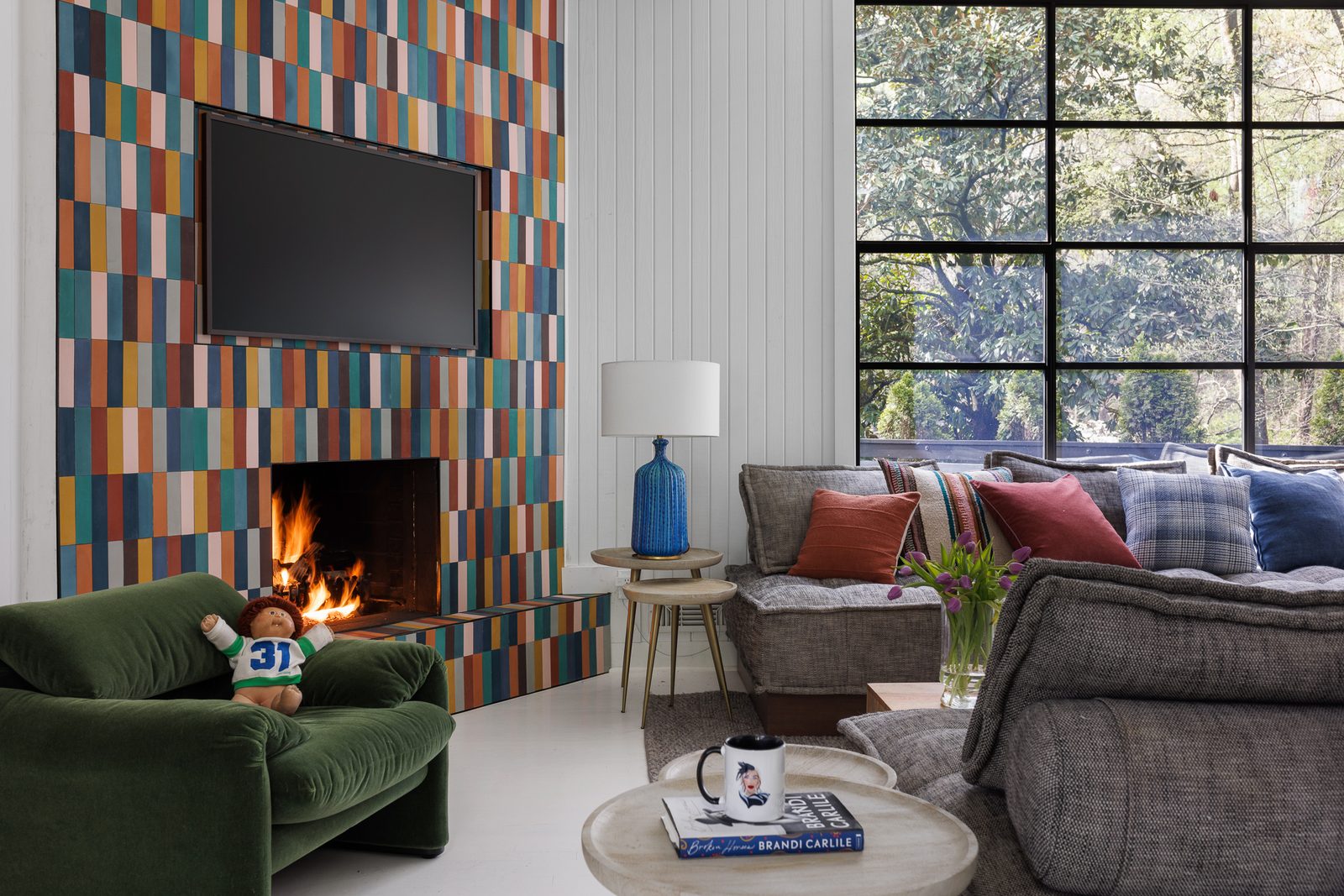
The Home Dictates the Schedule
In a perfect world, every shoot would start at the soft, glowing hour of your choice. In the real world, most shoots are scheduled around constraints that have nothing to do with light.
A few examples from the working week:
- The homeowner can't make the home available until 11 AM, and they need everyone out before kids get home from school at 3.
- The project finished late and the only window before the holiday weekend is a rainy Wednesday afternoon.
- We're covering a primary suite at one home and a kitchen at another, and the only way to fit both into the budget is to shoot them on the same day, in the same direction across the city.
- The drapes were just installed yesterday, the rug was delivered this morning, and the homeowner has a flight tomorrow night.
None of those scenarios are unusual. They're normal. And in every one of them, the time of day we shoot is essentially decided for us. The job is to walk in, read the light we've been given, and make it look like the room on its best day.
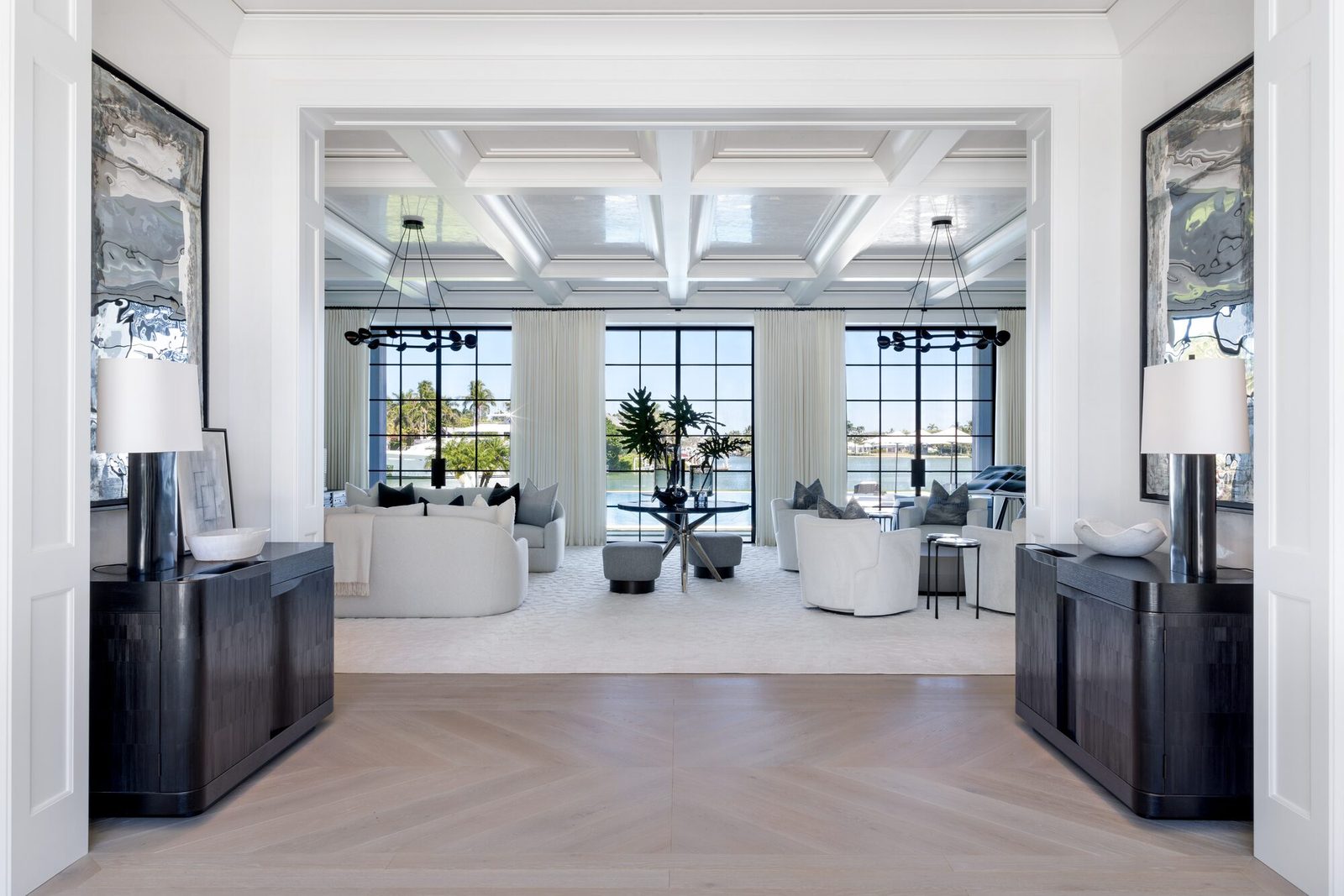
What Actually Matters More Than the Clock
When designers worry about scheduling around natural light, they're usually picturing a kind of photography that depends on the sun being in exactly the right place. Editorial interior photography doesn't really work that way.
The light coming through the windows is just one input. A professional photographer is constantly shaping it — pulling detail back into blown-out windows by blending exposures, adding strobes when shadows go too dark, balancing the warm kitchen lights against the cool daylight outside, softening harsh midday sun so it feels intentional instead of contrasty.
It's a combination of all of those things, used together. The point isn't to show off the technique. The point is that nobody should look at the final image and think about lighting at all. The room should just look like itself, on a day when everything came together.
That's the difference between a photographer adapting to circumstance and a photographer being limited by it.
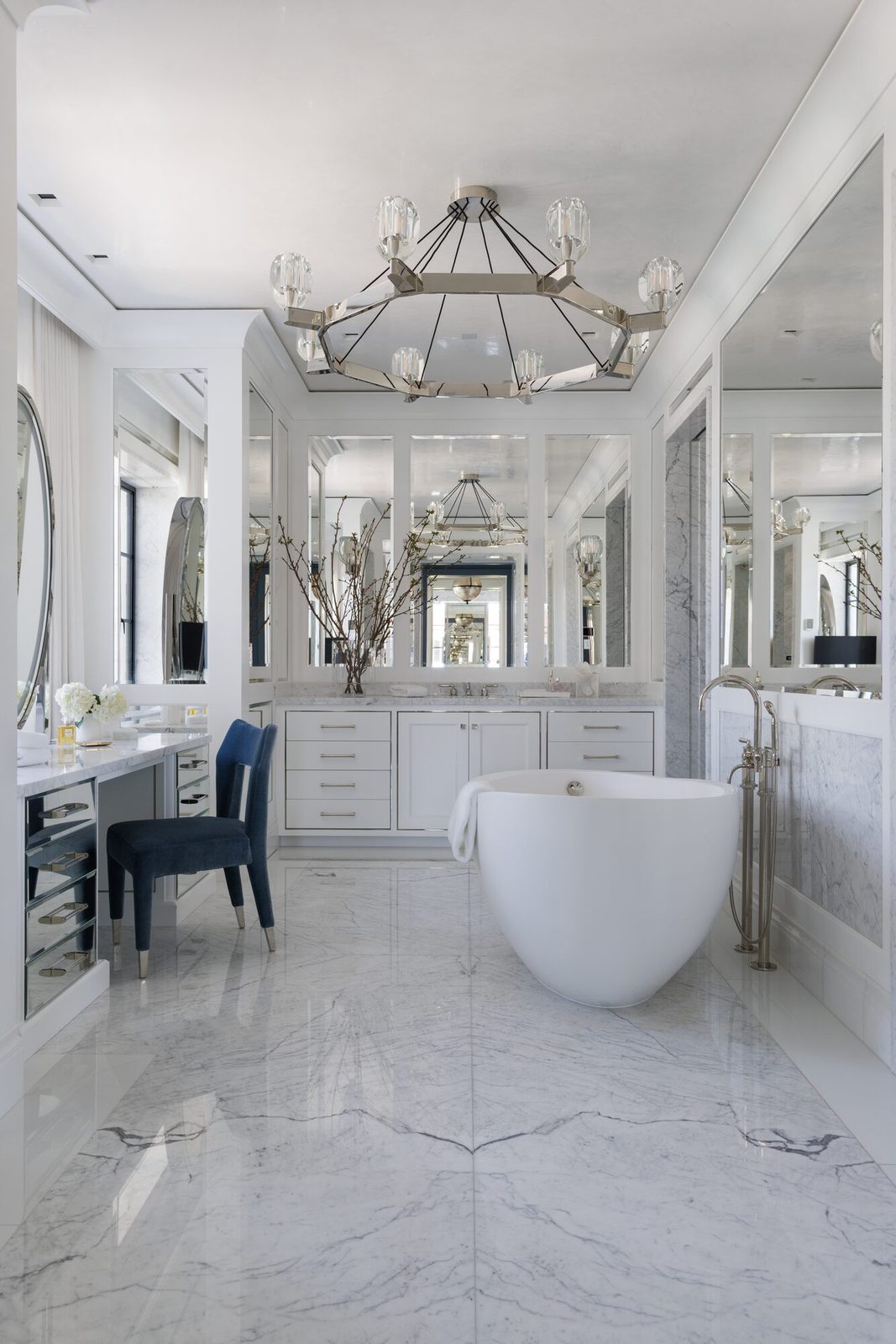
How a Pro Plans Around Real Constraints
There's still a craft to scheduling — it's just less about chasing the perfect hour and more about reading the home and ordering the day intelligently.
If we have access from morning through afternoon, I'll usually start with east-facing rooms while the sun is on that side of the house, then move to north-facing or interior rooms during the harsh middle of the day, and save west-facing spaces for later. If we only have a few hours, I prioritize the rooms that are most light-dependent and shape the rest with strobes and exposure work.
A rainy day isn't a disaster — sometimes it's actually easier. Overcast light is soft and even, which is a gift for rooms with a lot of windows that would otherwise be hard to balance. The worry on a rainy day isn't the photo. It's the umbrellas, the wet shoes, and protecting the home as we move equipment in and out.
A two-home, one-day schedule is mostly a logistics problem: stage the gear efficiently, reset between locations quickly, and make sure the shot list at each home is realistic for the time we have. That's the photographer's job to plan, not yours to worry about.
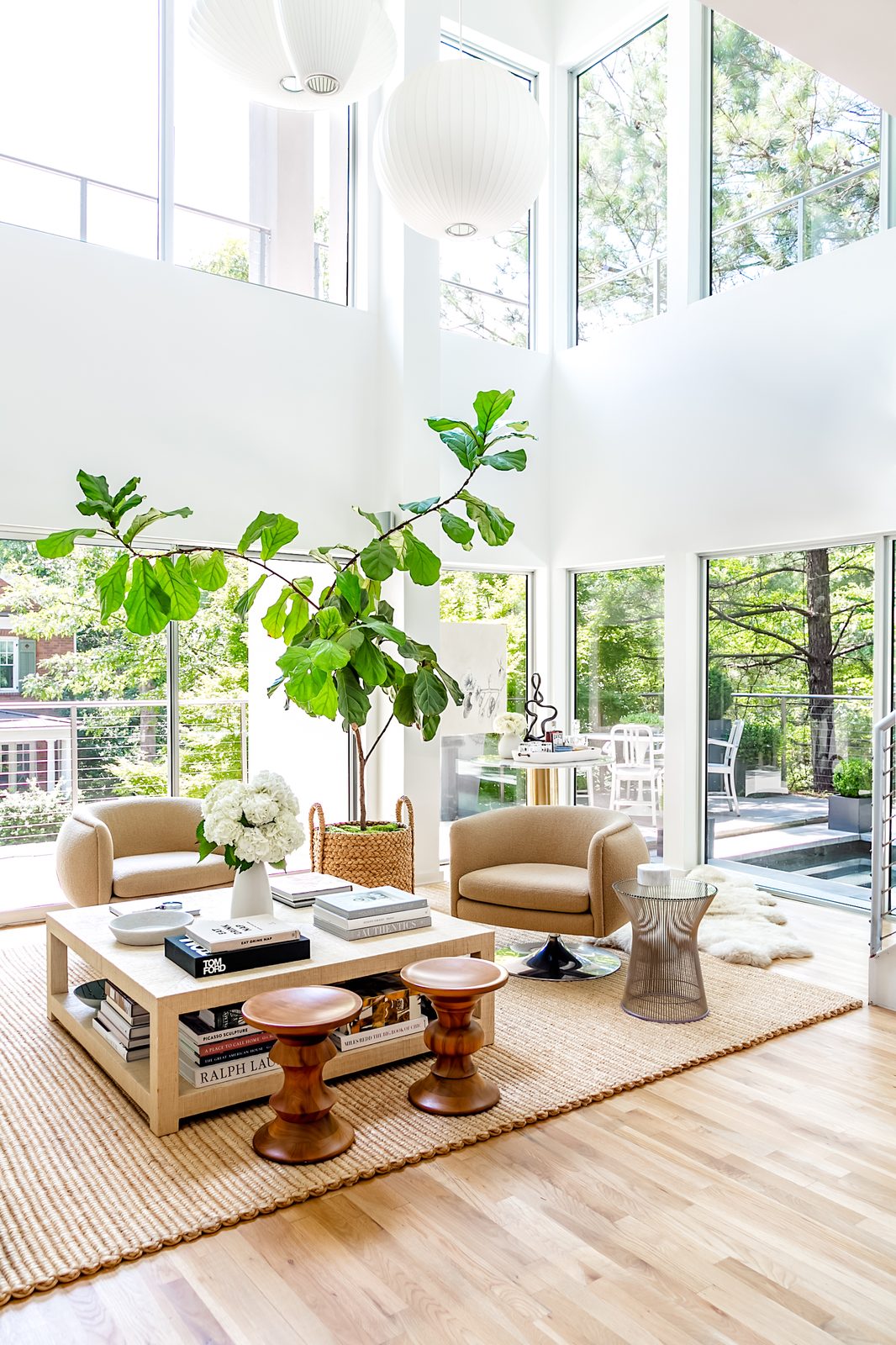
What This Means for You as the Designer
If you've been holding off scheduling a shoot because you were trying to find the perfect day with the perfect light, you can stop. That's not the bottleneck. The bottleneck is access to the home and a clear picture of when the project will actually be ready to shoot.
What's most useful from your side:
- Tell me the real access window — what time the homeowner can let us in, what time we need to be out, whether the home will be empty or occupied.
- Flag anything still in flight — drapes being hemmed, a piece of art being delivered, a vent hood waiting on paint. We can plan around it or schedule a small return visit if it matters.
- Don't try to dodge weather. If we have to reschedule for a serious storm, we will, but most weather is workable.
- Trust the process. Once we lock the date, the question of what time and how the light will behave is mine to solve.
The shoots that go best aren't the ones with the prettiest hour on the calendar. They're the ones where the home is genuinely ready, the access is clear, and the designer and photographer have aligned on what matters most about the project. The light takes care of itself when everything else is in place.
If you're planning a shoot and trying to figure out scheduling around a tricky access window, I'd love to talk it through. Most of the time, what looks like a scheduling problem turns out to be very solvable.
Frequently Asked Questions
What is the best time of day for interior photography?
The best time is whenever the home is genuinely available and ready to shoot. Different rooms benefit from different times — east-facing rooms shoot well in the morning, west-facing rooms later in the day — but a professional photographer can make any time of day look good through a combination of natural light, strobes, and exposure blending. The schedule is almost always driven by access to the home, not by ideal light.
Can interior photography be done in the middle of the day?
Yes. Midday light can be the trickiest because it's high and contrasty, but it's very workable. Photographers handle it by shaping or diffusing direct sun, scheduling north-facing or interior rooms during those hours, and using exposure blending to balance bright windows with darker interior areas. A well-shot midday image should look soft and natural — not harsh.
Does a rainy day ruin an interior photo shoot?
Not at all. Overcast light is soft and even, which actually makes many rooms easier to photograph than they'd be in direct sun. The main consideration on a rainy day is logistics — keeping the home clean while moving equipment in and out — not the quality of the images. Most professional shoots proceed as planned in light to moderate rain.
Should I schedule my photo shoot around natural light?
You don't have to. The home's availability — when the homeowner can give access, whether the project is fully finished, when furniture and styling pieces are in place — should drive the schedule. The photographer plans the order of rooms within that window to take advantage of the light at different points in the day, and uses lighting equipment to fill in wherever the natural light needs help.
How do interior photographers handle harsh or unflattering light?
Through a combination of techniques used together: blending multiple exposures to recover detail in bright windows, adding strobes to lift shadows and balance color temperature, scheduling certain rooms for certain hours when possible, and shaping or diffusing direct sun. The goal is for the final image to look naturally lit even when significant work went into making it look that way.