Professional interior photography matters because it's the only path to images that can do triple-duty across your website, your social media, and press pitches — and the gap between professional and amateur work isn't the camera. It's the composition. The decisions a working photographer makes in the first thirty seconds of a frame — angle, height, what to keep in versus crop out, where the eye should land — are the difference between a frame an editor will lift for a feature and a frame that just documents the room.
The phone in your pocket takes a beautiful picture. That's not where the gap is. The gap is in what most designers don't realize they're getting wrong — the camera is sitting at standing eye level, the frame is dead-center symmetrical, the verticals never get captured, and the resulting project page reads as "documented" rather than "published-ready." A working interior photographer's actual skill isn't in the equipment. It's in the dozens of micro-decisions made before pressing the shutter, the ones that don't show up in any camera spec sheet.
Here's what professional photography is actually buying you, and how to know when it's worth the cost.
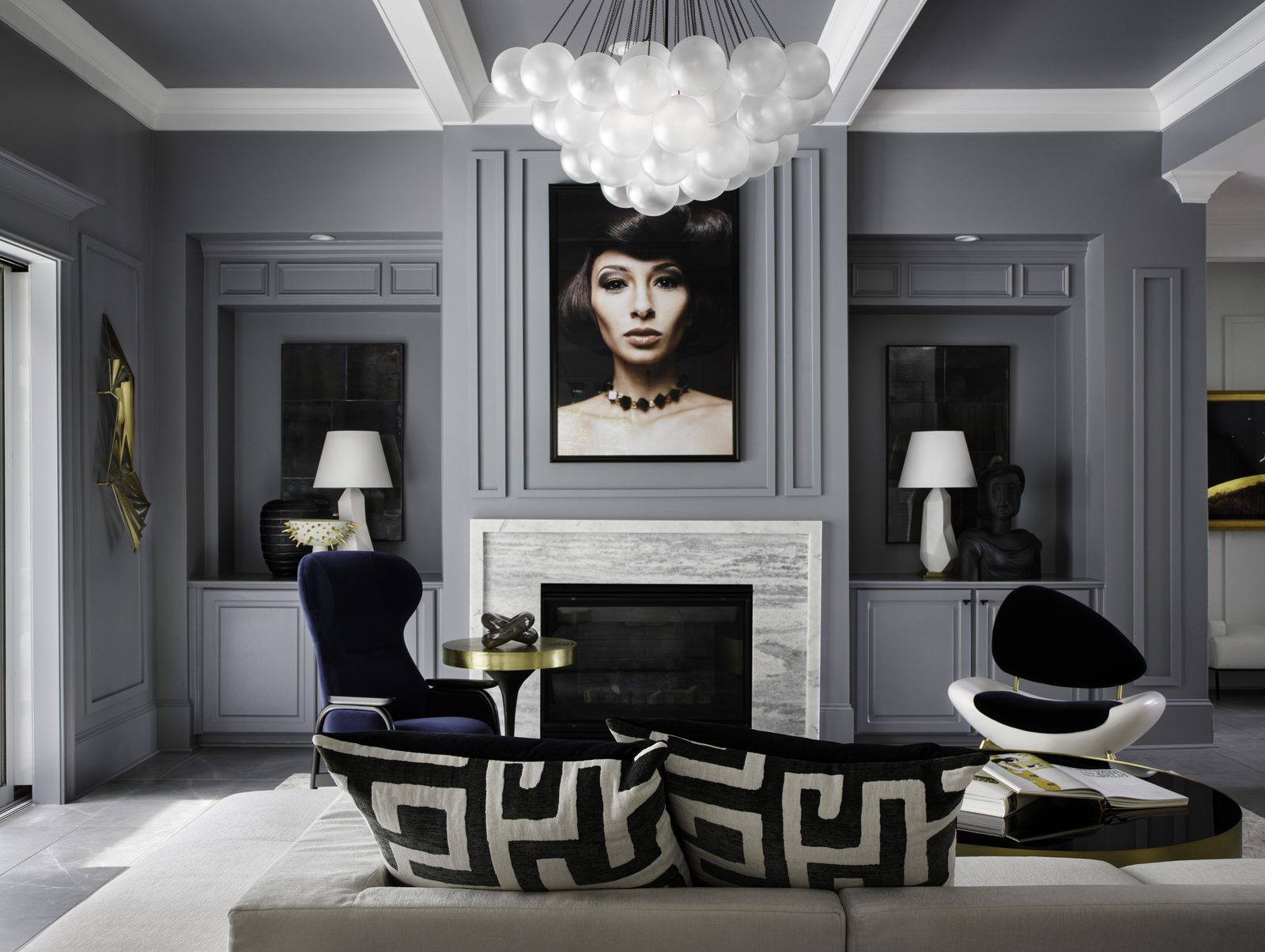
What "Matters" Actually Means in Designer-Business Terms
Aesthetic quality is the obvious answer. It's not the most useful one.
The more concrete frame: a professional shoot produces images that work across three different surfaces — your website project gallery, your social media, and project-specific press pitch sets. Each surface has its own demands and its own optimal image count. I broke down the math elsewhere, but the headline number is that a single full-day editorial shoot in Atlanta typically delivers 12–15 final images, and a planned shoot lets those images do double or triple duty across all three surfaces simultaneously.
Phone images, even good ones, rarely feed all three. They can populate the website project page if the room reads cleanly. They can carry social posts for a few weeks. Where they fall short is press — shelter publications need both a variety of thoughtful angles (vertical hero, wide establishing, mid-range three-quarter, several detail vignettes) and the high resolution that comes from a full-frame camera. Phone files don't have the pixel data print publications need at full-page sizes. That's a hard "no" before the editor ever evaluates composition.
That's the multiplier. One professional shoot, planned for variety, becomes a three-channel asset. One phone shoot, no matter how careful, is usually a one-channel asset.
The other piece of "matters" is time. A strong project shoot keeps earning for years — five is a reasonable benchmark before aesthetic drift starts to show, often longer for the strongest frames. Phone images age much faster. Aspect ratios shift, social platform crops change, file compression evolves, and the color science of phone cameras moves enough year over year that a 2021 iPhone photo already looks noticeably dated. Professional RAW files survive that drift; they can be reprocessed, recropped, and republished as platforms change. Cost-per-asset, measured across five years and three portfolio surfaces, makes the working photographer rates feel very different than they look on a single invoice.
The Compositional Gap That Phones Can't Close
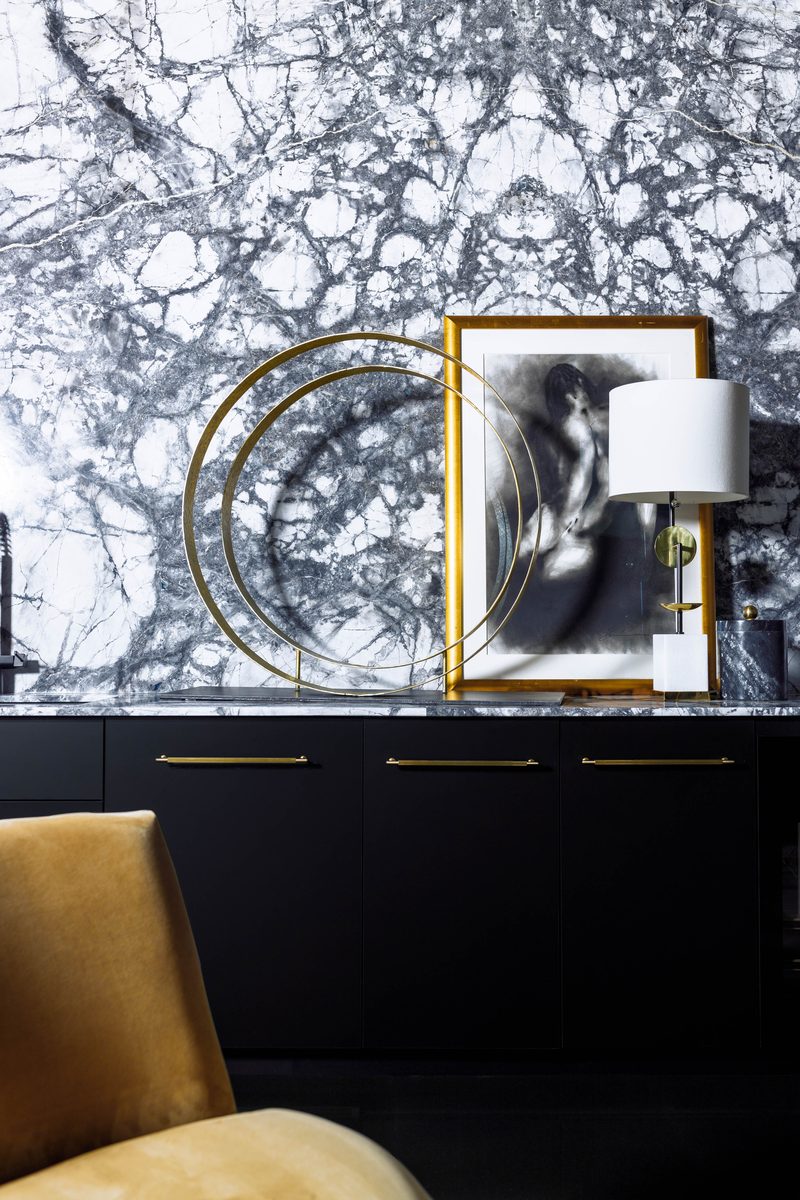
Here's the part most designers underestimate. The professional advantage isn't equipment. It's composition — the angle, height, and frame decisions a working photographer makes before pressing the shutter.
Four specific places that gap shows up most often:
Camera height. Most amateur interior shots are taken from standing eye level — roughly 5'4" to 5'10". That height compresses the floor, exaggerates the ceiling, and makes furniture look squat. Professional interior photographers shoot from 36 to 48 inches, closer to seated eye line. That single difference makes the room feel proportioned the way it actually feels when you're in it. It's the most consistent tell of an amateur shoot, and it's invisible until you compare two frames of the same room side by side.
Symmetry vs. tension. The instinct is to dead-center the frame. Symmetrical, balanced, satisfying in person. On camera, dead-center compositions read as static — the eye lands and stops. Editorial interior frames work because of asymmetry — the focal point off-center, a leading line pulling the eye through the room, negative space giving the composition somewhere to breathe. That's a learned skill, not a setting on the phone.
What's not in the frame. A working photographer's real craft is what gets cropped out. Power outlets, vent grates, awkward floor transitions, the corner of the chandelier that breaks the frame line — every editorial image involves dozens of micro-decisions about exclusion. Phone framing tends toward "include everything," which gives the eye nothing to land on.
Verticals. Most shelter magazines are vertical-format. Their hero images, lead spreads, and cover shots are vertical. Designers with portfolios composed entirely of horizontal phone shots can't pitch press at all, no matter how strong the underlying work is. A professional shoot that doesn't capture verticals is a professional shoot that failed; a phone shoot that doesn't capture verticals is the default.
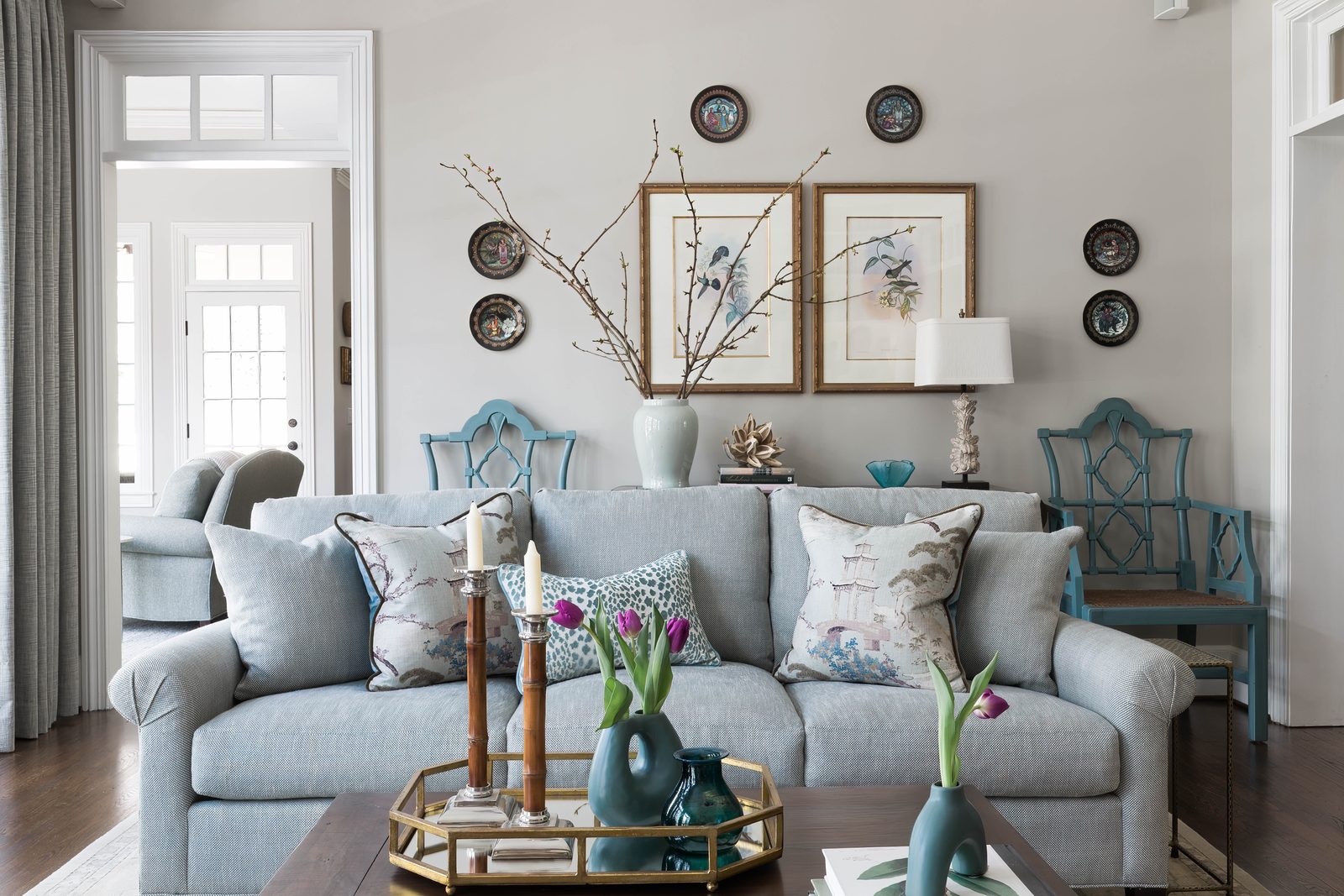
What This Looks Like in Practice — The Press-Pathway Argument
The clearest place this all converges is press placement.
I've had projects placed in national and regional shelter publications because the editor pulled a frame I'd specifically composed with that publication in mind. Vertical hero. Wide establishing shot. Mid-range three-quarter view. A few detail vignettes. The editor needs all four to build a layout. When the project comes in with that variety already shot, the placement happens. When it comes in with only what the designer captured during install, the placement doesn't happen — there's nothing for the editor to work with.
I've written about the publishing pathway in more detail, but the short version: editors don't ask designers to re-shoot a project for press. They ask to see the project, decide whether the imagery supports a feature, and pass if it doesn't. A designer who's invested in professional photography of every project that's worth showing is sitting on inventory the press cycle can pull from indefinitely. A designer with phone-only documentation is invisible to that pathway.
The ROI math on a press placement is significant. A single feature in a regional shelter magazine — let alone a national one — drives qualified inbound inquiries for months, often years. The cost of one professional shoot pays for itself many times over from a single placement. And the placements compound: editors share, art directors remember names, future opportunities come from prior coverage.
That's not a marketing claim. That's the actual mechanics of how shelter publications source content. The designers in regular rotation are the ones who built the inventory.
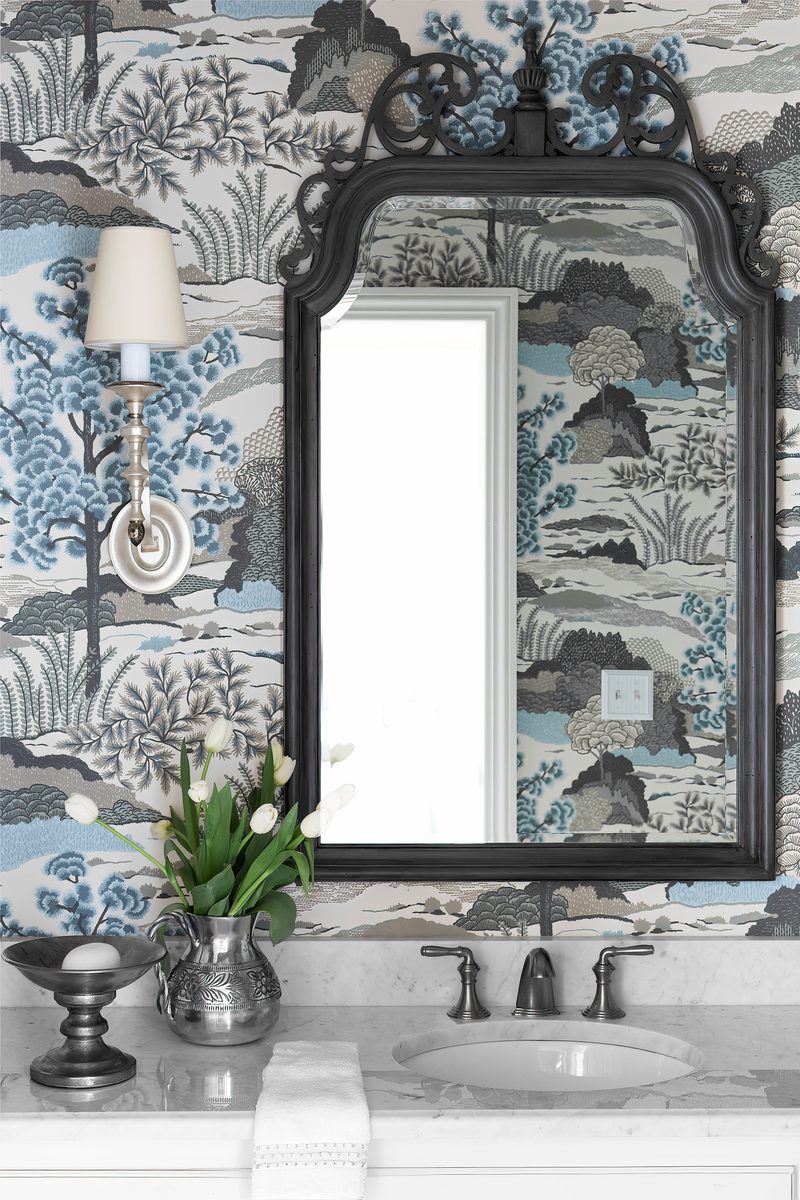
What Professional Photography Doesn't Need to Cover
Worth saying out loud, because the opposite framing — every photo of every space must be professional — is where designers burn money unnecessarily.
There's a clear category of imagery where a phone is the right tool:
- Concept-stage and pre-install reference shots. Documentation for your own files, mood reference, vendor coordination. Phone is fine.
- Behind-the-scenes social media content. Process posts, install-day shots, reveal videos. The "made in real time" register actually benefits from phone imagery.
- Punch-list and warranty documentation. Phone, no question.
- Quick site references for your trades. Phone.
The line that matters: anything you're going to show a client, a publication, or a prospect at scale — that's the surface professional photography is built for. Anything internal, process-oriented, or ephemeral — phone is correct, and using a professional photographer for it is over-spending.
How to Decide When to Book
A quick decision framework for designers triaging which projects warrant a professional shoot.
Book the shoot when:
- The project is at a quality and design-density that a future client or editor would want to see.
- You don't already have a comparable project in your portfolio.
- The project introduces a new style direction, new material palette, or new client tier that expands the body of work.
Skip the shoot when:
- The project is a small refresh or a one-room update that doesn't move your portfolio forward.
- The space is similar enough to existing portfolio projects that it would just dilute the rotation.
The decisions get easier as the portfolio matures. Earlier in a designer's career, almost every meaningful project is a candidate. Later on, the bar rises — only projects that genuinely advance the body of work are worth the shoot day. Either way, the math points the same direction: when a project warrants it, professional photography is the leverage point that determines whether the work goes anywhere beyond the install.
The Short Version
Professional interior photography matters because it produces images that work across three portfolio surfaces simultaneously — website, social media, and press pitches — and the compositional decisions a working photographer makes (camera height, asymmetric framing, what gets cropped out, verticals captured by default) are the difference between images that get a project published and images that just document the install. Phone cameras aren't the problem; they're the right tool for process content, behind-the-scenes posts, and internal documentation. The professional shoot is the leverage point: one strong shoot can feed the portfolio for five years or more and unlock the press pathway entirely. If you're trying to figure out which of your current projects would justify a full shoot, I'd love to talk it through — half an hour usually clears it up.
Quick Answers
Why is professional photography important for interior designers?
Professional interior photography produces images that can do triple-duty across your website project gallery, social media, and press pitch sets — surfaces with different demands that phone images rarely cover all at once. Shelter publications additionally require high-resolution files that phone cameras don't produce at the pixel sizes print layouts need. And the compositional decisions a working photographer makes (camera height, asymmetric framing, vertical orientations, what gets cropped out) are the difference between images an editor will lift for a feature and images that only document the room.
Can I use iPhone photos for my interior design portfolio?
For some surfaces, yes — phone photos are the right tool for process content, behind-the-scenes social posts, vendor reference shots, and punch-list documentation. They're the wrong tool for your website project gallery, your social media hero rotation, or any imagery you'd send to a publication. The gap isn't the camera quality; it's the compositional choices a working photographer makes by default and the high resolution print publications require — neither of which phone framing or phone sensors deliver.
How does professional interior photography help with press placements?
Shelter magazines need a specific image mix per project — a vertical hero, a wide establishing shot, a mid-range three-quarter view, and 4–6 detail vignettes — to build a layout. Editors don't ask designers to re-shoot for press; they pass on projects that don't have the inventory. A professional shoot planned for press requirements builds that inventory by default. A phone shoot almost never captures the verticals or the variety editors need.
How long do professional interior photos stay relevant?
A strong professional shoot typically feeds a designer's portfolio for around five years — often longer for the strongest frames — before aesthetic drift starts to show. RAW files from a professional shoot can be reprocessed and recropped as social platforms change aspect ratios and file compression standards evolve, which is why they hold up so much longer than phone images. Phone-camera color science also drifts noticeably year over year, while professional RAW files give you something to come back to.
When should an interior designer NOT pay for professional photography?
Skip the professional shoot for concept-stage references, behind-the-scenes social content, install-day snapshots, punch-list and warranty documentation, and quick references for trades. The line is whether the imagery is for a client, publication, or prospect at scale — that's the surface professional photography is built for. Internal, process-oriented, or ephemeral imagery is correctly handled with a phone, and using a professional photographer for it is over-spending.