A working interior designer's shoot day styling kit should cover four categories: cleaning supplies, fabric tools, organization tools, and a way to keep the most-used items within reach. The headline items are window cleaner with a stack of microfiber cloths, specialty cleaners for brass and stone, a hand steamer with a long extension cord, gaff tape, blue tack, and a fanny pack or apron with pockets. Pack the kit before every shoot — not whatever happens to be in your car.
Most problems that slow down a shoot day have nothing to do with design. They're logistical. A smudge on a glass surface with nothing to clean it. A cord that needs to be secured and nothing on hand to tie it back. A frame that's sitting slightly crooked on the wall and nothing to gently hold it in place while the shot is taken.
These are small moments. But they add up. Every time the shoot pauses to solve a problem that a prepared kit could have handled in thirty seconds, momentum is lost. And momentum — the kind that builds as a shoot day finds its rhythm — is one of the most valuable things you can have on set.
The solution isn't complicated. It's a dedicated shoot day styling kit. Not a general supply bag. Not whatever happens to be in your car. A specific, intentional kit built around the real demands of a photography shoot — packed before every job and ready to solve the problems that come up every time. Here's what should be in it.
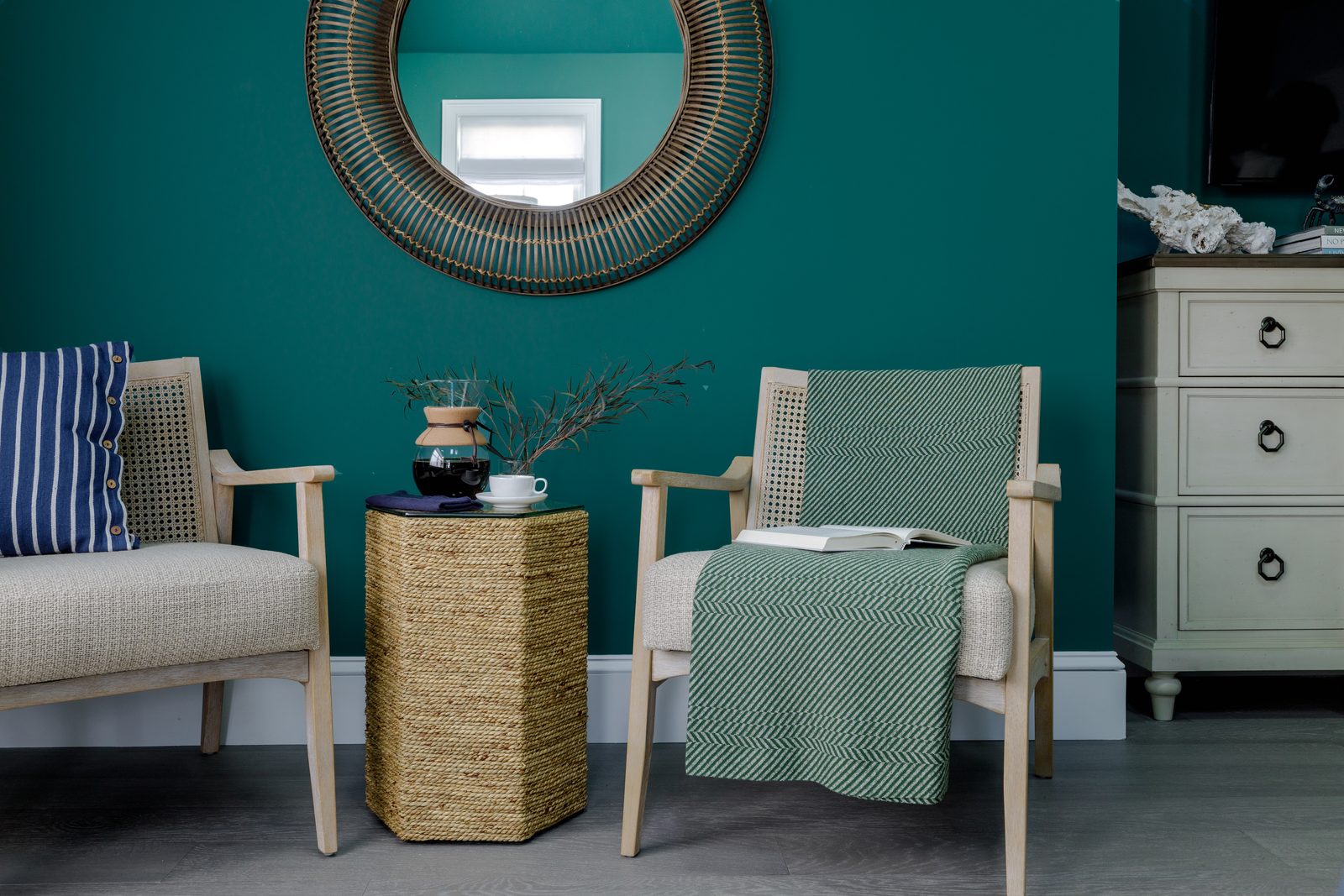
Cleaning and Surface Care
The camera is unforgiving with surfaces. Fingerprints on glass, dust on a stone countertop, smudges on chrome — none of these are visible until they're visible in the frame. By then, you're either cleaning or retouching. Cleaning on set is faster and significantly less expensive.
These are the cleaning essentials that belong in every kit:
Window Cleaner and Microfiber Cloths
Glass surfaces appear in almost every interior shoot — windows, mirrors, glass tabletops, cabinet fronts, shower enclosures. A quality glass cleaner and a set of lint-free microfiber cloths should be the first things in the kit. Bring more cloths than you think you need. They get used.
Swiffer and Swiffer WetJet
Floors are in nearly every wide shot. A Swiffer dry sweep takes care of dust and debris quickly. The WetJet handles residue on hardwood and tile without leaving streaks. Both are lightweight, easy to transport, and faster than mopping on set.
Small Rechargeable Vacuum
A compact, cordless vacuum handles what a Swiffer can't — upholstery, rugs, and tight corners. There are several inexpensive rechargeable models available that are easy to transport and do a thorough job on floors and surfaces. It gets used on almost every shoot.
Paper Towels
Keep a roll in the kit. They're useful for everything from wiping surfaces to blotting water to quickly cleaning something before a shot.
Specialty Surface Cleaners
General-purpose cleaners aren't appropriate for every surface, and the wrong product on the wrong material can cause damage or leave residue. Include the following for shoots in higher-end spaces:
- Brass and metal polish — for hardware, fixtures, and decorative objects
- Stone cleaner — for marble, quartzite, and other natural stone surfaces
- Hardwood floor cleaner — for finished wood floors that show up in wide shots
- Stainless steel cleaner — for kitchen appliances and hardware
These are niche items. But when you need them, there's no substitute. Arriving with the right cleaner for a limestone countertop or an unlacquered brass fixture communicates a level of preparation that clients notice.
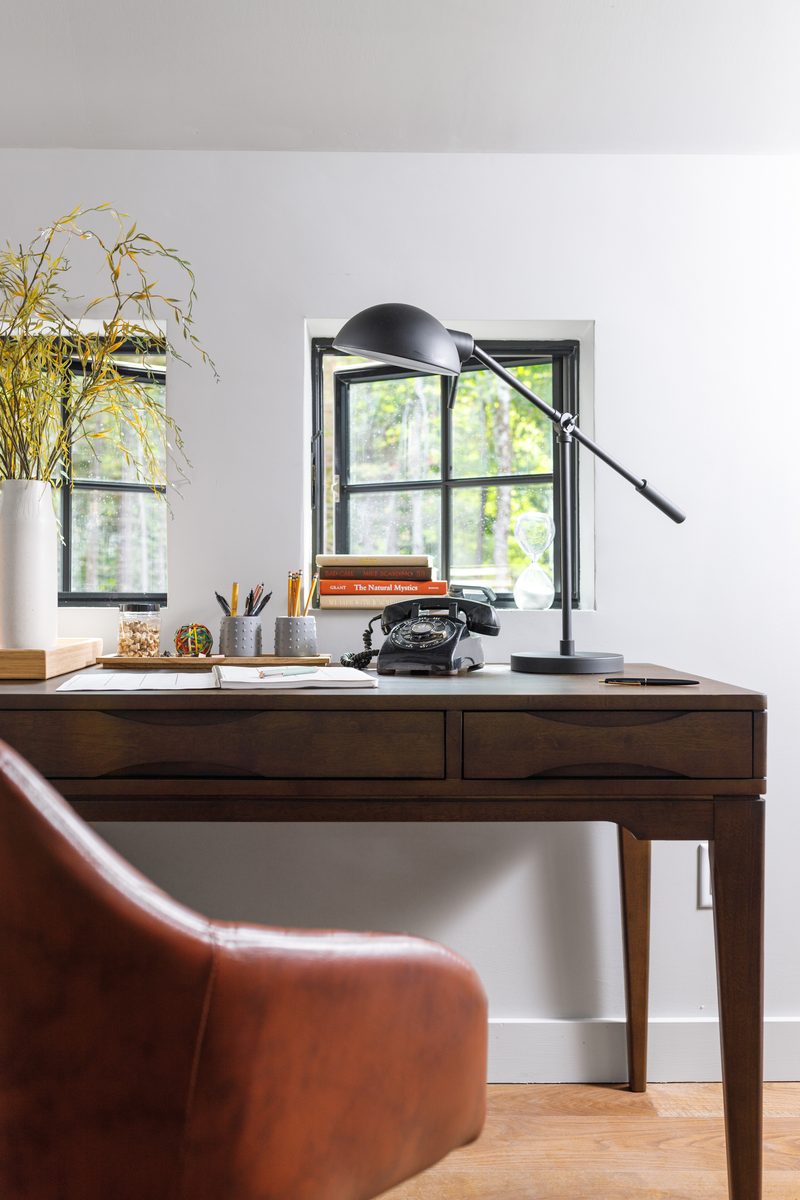
Fabric and Textile Tools
Textiles are one of the most photographed elements in an interior — and one of the most difficult to correct after the fact. Wrinkles, folds, and fabric that's lost its shape don't respond well to post-production. The time to address them is before the camera is set.
Hand Steamer
If you read the styling-decisions piece, you already know how strongly I feel about this one. A hand steamer is non-negotiable.
Bedding, drapery, throw blankets, table linens, towels, pillow covers — anything fabric that ends up in the frame should be steamed before the shot. Wrinkles are nearly impossible to remove cleanly in post-production, and the retouching cost is significantly more than the tool itself.
Buy a quality handheld model. Keep it in the kit. Bring it to every shoot.
Long Extension Cord
The hand steamer is only useful if you can plug it in. Outlets are rarely located where you need them, and extension cords are the kind of thing that gets left behind. Keep a dedicated cord — at least 25 feet — coiled and stored in the kit so it's always there.

Styling and Organization Tools
This category covers the items that solve the small, recurring problems that come up on set. None of them are glamorous. All of them matter.
Gaff Tape
Gaff tape is a matte, cloth-backed tape that grips firmly, removes cleanly, and doesn't leave residue. It's the standard for cord management on set — securing cables along baseboards, tacking cords to the back of furniture, and keeping anything in place without damaging the surface. It's also useful for temporarily holding lightweight styling elements in position. Available on Amazon or at your local photography supply store. Once you start using it, you'll wonder how you managed without it.
Zip Ties
For bundling and managing cords that need to stay grouped and out of frame. Keep a variety of sizes. They're inexpensive, lightweight, and faster than tape in certain situations.
Blue Tack
A small amount of blue tack — the removable adhesive putty — is useful for keeping lightweight objects in a precise position or gently leveling a frame that's sitting slightly crooked on the wall. It's safe for most surfaces, leaves no residue, and handles the kind of small adjustments that would otherwise require multiple attempts to get right.
Scissors
Trimming floral stems, removing tags from new styling pieces, cutting zip ties cleanly — scissors are reached for on almost every shoot. Keep a dedicated pair in the kit.
A Fanny Pack or Apron with Pockets
This one gets overlooked and shouldn't.
Once a shoot is moving, you're constantly making small adjustments — straightening a stem, wiping a surface, repositioning an object. Going back to a bag on the other side of the room every time breaks the flow of the day.
A fanny pack or apron with pockets keeps your most-used tools within reach while your hands stay free. Scissors, a cloth, a small brush, a phone for reference — whatever you reach for most. It's a small habit that makes a noticeable difference in how the day moves.
The Shift This Kit Represents
Designers who arrive on set with a well-stocked kit move differently. Problems get solved in seconds instead of minutes. The day keeps its momentum. And that momentum — the creative energy that builds when logistics stay invisible — shows up in the work.
The kit is the infrastructure. The images are what happen when the infrastructure doesn't get in the way.
Where to Start
If you're building a kit from scratch, start with the cleaning essentials and the hand steamer. Those two categories handle the majority of what comes up on set.
From there, add as you go. The kit evolves with your practice — and over time, it becomes one of the most reliable things you bring to a shoot. For more on how a kit fits into the broader shoot-day flow, here's what to expect on shoot day once you've booked.